Choosing the Right Paint for Your Car
Intro
When it comes to car appearance and longevity, choosing the right paint is crucial. Different types of paints, application techniques, and considerations all play a role in how your vehicle looks and withstands the elements. Whether you are a DIY enthusiast or prefer professional services, navigating through the sea of options can be overwhelming. This article aims to clear the fog, guiding you through various aspects like types of automotive paints, recommended application methods, and key factors influencing your choices.
In the automotive world, paint is not just about aesthetics; it’s about protection, durability, and maintaining the value of your vehicle. As trends shift towards environmentally friendly options and advanced technology, understanding what makes a quality paint job becomes increasingly important. We’ll delve into evaluations of product quality, expert recommendations, and practical tips that will equip you with the knowledge to make informed choices.
With a focus on quality, protection, and visual appeal, you'll find this guide valuable, whether you're restoring a classic or customizing a modern ride.
Product Quality Evaluations
Before diving into specific paint products, assessing the quality is fundamental. Quality is often determined by factors such as durability, finish, and resistance to environmental stressors. Let’s explore how to evaluate paint quality effectively.
Methodology for Evaluating Quality
- Analogous Testing: Experiment with samples of different paints on similar surfaces. Examination should focus on adhesion, fade resistance, and weather resilience over time.
- Material Composition Analysis: Investigate whether the paint is solvent-based or water-based. Solvent-based paints may offer a smoother finish but typically contain more VOCs (volatile organic compounds), raising environmental concerns.
- User Reviews and Feedback: Engaging with user experiences on platforms like Reddit can provide insights into the real-world performance of paints. Feedback often highlights the advantages and downsides that might not be apparent during initial research.
- Professional Recommendation: Seek opinions from professionals in automotive forums or local body shops. Their expertise can highlight paint brands known for reliability.
Comparison of Different Models
Here are a few noteworthy automotive paint brands to consider:
- PPG Industries: Renowned for high-quality finishes and an extensive selection of colors.
- DuPont: A long-lasting option often preferred for custom projects.
- Sherwin-Williams: Offers a balance of affordability and quality, recognized for eco-friendly choices.
- House of Kolor: Elitist in performance, particularly sought after for specialty and custom paints.
Expert Reviews and Recommendations
Drawing from expert opinions can give clarity in a saturated market. Don’t hesitate to lean on their insights.
Comparisons of Similar Models
Often, the best way to know if a specific paint will fulfill your needs is to compare similar models side by side. Evaluate aspects like:
- Color retention: Some brands fade faster than others.
- Application ease: How user-friendly is the paint for DIY projects?
- Cost-effectiveness: Consider not just the initial price but the longer-term value.
Tips for Buyers
- Assess Your Needs: Are you looking for durability, shine, or eco-friendly options?
- Budget Evaluation: High price doesn't always mean high quality.
- Try Test Samples: Don’t commit to a full purchase before trying a small amount.
Remember, selecting the right automotive paint plays a big role in the long-term presentation and protection of your vehicle. Applying the right methodology will help to ensure you can confidently navigate your choices.
Understanding Automotive Paint
Understanding automotive paint is critical for anyone looking to either maintain or enhance their vehicle’s appearance. This section lays the groundwork for choosing the right paint by elaborating on its significance, components, and types. A car isn't just a means of transport; it's an expression of identity for many. The right paint can elevate the vehicle from a mere object to a personal statement. Whether you're touching up scratches or embarking on a full spray job, understanding the intricacies of automotive paint gives you an advantage.
What is Automotive Paint?
Automotive paint is a type of coating applied to vehicles to prevent corrosion and enhance aesthetics. It usually consists of layers, each serving a unique purpose—from protection to appearance. While the primary function is to protect the body from environmental damage like rust, UV rays, and scratches, it also plays a huge role in the overall look of the vehicle. Imagine a car without color or gloss; it simply wouldn’t feel like a car anymore. It's the armor and the makeup all rolled into one, so to speak.
Composition of Car Paint
Understanding what goes into automotive paint can help in making informed decisions about the type you choose. Each component plays a pivotal role in how the paint performs and looks.
Basecoat
The basecoat is the layer that provides the primary color of the vehicle. It is crucial because it gives cars that vibrant look that turns heads on the road. The basecoat is often pigmented and comes in various colors, enabling customization. It's not just about aesthetics; the basecoat also allows for a smooth surface that light can reflect beautifully. The downside? It’s vulnerable to the elements, which means it requires a protective layer on top.
CLEARCOAT
The clearcoat is an essential layer that goes over the basecoat. This layer adds shine and depth to the paintwork, acting as a shield against scratches and UV rays. It is typically a transparent substance that enhances the base color’s vibrancy. One unique feature is its ability to self-level, which helps create a smooth finish. However, if not applied correctly, the clearcoat can become cloudy over time, diminishing the vehicle’s appearance.
Additives
Additives in automotive paint can include various substances that enhance performance. They can improve durability, alter drying times, or even help resist fading. For instance, there are additives that help the paint resist chipping or help it bond better when applied. These substances are often chosen based on the specific environment the vehicle will be exposed to, contributing to the paint's lifespan. While they add benefits, the wrong choice of additives can compromise the paint job, leading to peeling or discoloration.
Types of Automotive Paint
When we talk about paint for cars, it’s not a one-size-fits-all scenario. Different types serve distinct purposes and meet various preferences, whether you seek durability or easy application.
Acrylic Paint
Acrylic paint is well-known for its ease of application and quick drying time. This paint type can mimic the glossy appearance of urethane paints but doesn't provide quite the same level of durability. The smooth finish is appealing for DIYers; however, its vulnerability to harsh chemicals means it may not be the best choice for those wanting long-lasting effects.
Urethane Paint
Urethane paint stands tall among its peers for resilience and durability. Formulated primarily for automotive uses, it is resistant to scratches, chemicals, and UV rays. One of its standout features is its ability to flex under stress, making it ideal for various climates. However, its complex application process often requires more skill, which is a downside for novice painters.
Enamel Paint
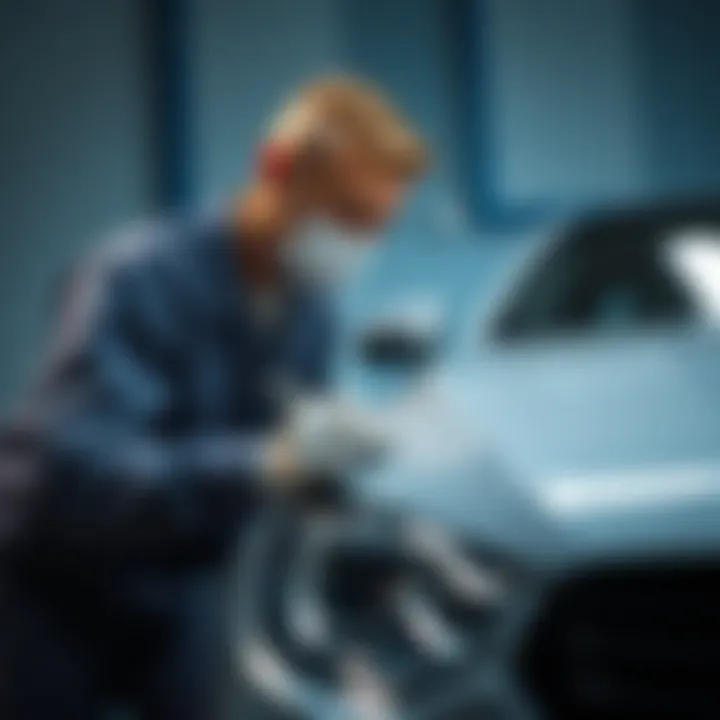
Enamel paint is known for its tough, glossy finish. It provides excellent protection against environmental factors and is relatively easy to work with. The downside is it tends to take longer to cure, meaning you might have to exercise some patience. Its ability to resist scratches and chips makes it a reliable choice for those wanting a glossy, durable finish.
Water-based Paint
Water-based paint has gained traction due to its eco-friendliness and low toxicity. It generally has low levels of volatile organic compounds (VOCs), making it safer for both the user and the environment. One unique feature is its quick drying time, allowing for faster project completion. However, you might find that it lacks the same level of durability as solvent-based counterparts, making it less ideal for high-impact areas.
Understanding these elements not only equips you with the knowledge needed for a successful paint job but also enhances your appreciation for the artistry involved in automotive painting.
Factors to Consider in Selecting Car Paint
When it comes to selecting the right paint for your car, the decision isn't just about color; there are several critical factors that can significantly influence the final result. Paint can define the look of a vehicle but also serves to protect it. Understanding what to consider helps ensure that you invest your time and money wisely.
Choosing car paint involves weighing options for durability, style, and environmental impacts. A well-acquired understanding of these elements can save you from the pitfalls of poor choices. Ensuring that the paint will hold up against the elements, maintain its vibrancy, and conform to any environmental regulations is paramount for both aesthetics and practical use.
Durability and Resistance
Durability and resistance are non-negotiable factors when hunting for the right paint. The paint should withstand all sorts of weather conditions as well as the wear and tear that comes with everyday use. A paint job isn't just about the first impression; it's about longevity and upkeep, too.
UV Resistance
One crucial aspect of durability is UV resistance. Car paint can fade over time due to sun exposure, and choosing a paint with good UV resistance is like giving your vehicle a shield against the sun's harmful rays. This kind of protection is particularly beneficial for those living in sunny climates, as it helps keep colors vibrant and reduces the need for frequent re-painting.
A paint's ability to resist ultraviolet light also comes with the benefit of added surface integrity, meaning less likelihood of cracking or peeling. In the long run, UV-resistant paints save you money by prolonging the aesthetic lifespan of your vehicle.
Chemical Resistance
Chemical resistance is another key characteristic that shouldn't be overlooked. Cars are exposed to numerous substances that can chip away at the finish—think road salt during winter, fuel spills at gas stations, or tree sap. Having a paint that stands firm against these chemicals is essential. Chemical-resistant paints ensure that the finish remains intact and looks newer for longer.
Such paints may come with a higher price tag, but they offer excellent value for the protection given. Ultimately, the cost is outweighed by the benefits of a lasting, well-maintained appearance even in harsh conditions.
Scratch Resistance
Last but not least, scratch resistance rounds out our discussion on durability factors. Daily life poses many risks to the car's finish, from minor brushes against bushes to shopping cart collisions in the parking lot. Having a scratch-resistant paint is vital for keeping your vehicle looking fresh.
What's intriguing about scratch-resistant paint is its unique feature: it has a protective layer that helps minimize visible marks. This can be especially advantageous if you plan to keep your car for years. No one wants to ride around with a scratched-up surface; hence a hard finish often proves to be a popular choice among vehicle owners.
Color and Finish Options
When it comes to aesthetics, color and finish are the deciding factors that can significantly affect the overall appeal of your vehicle. Vehicle paint isn't merely a coating; it speaks volumes about the owner's personality and taste. Different finishes can also influence how the color is perceived by onlookers.
Glossy vs. Matte
A classic debate is the choice between glossy and matte finishes. Glossy finishes shine bright and typically catch eyes quickly, lending the vehicle a clean, polished look. However, they can reflect too much light, which some find unappealing.
On the flip side, matte finishes create a unique, understated look. They absorb light, giving the car a more rugged or modern feel. But keep in mind, matte finishes often require more diligent care, as they can show smudges and dirt more easily. The choice is often dictated by personal style and how much maintenance one is willing to put in.
Metallic Finishes
Metallic finishes provide a glam factor that can transform an ordinary paint job into something extraordinary. The reflective properties of metallic paint can enhance the depth of the color, making it more visually striking. Many find metallic finishes particularly appealing for their ability to catch the light and change character under different conditions.
The downside? They can be harder to repair if damaged because blending the repair with the existing hue can be tricky. But for those wanting a standout aesthetic, the pros generally outweigh the cons.
Color Trends
Lastly, color trends play a significant role in decisions about car paint. What's in vogue today might fall out of favor tomorrow, and while picking trendy colors can make your vehicle feel modern and stylish, it’s also essential to consider resale value. Some buyers are more inclined to choose timeless shades like black, white, or silver that hold a more consistent market appeal.
However, bold choices can indicate personality and help your vehicle stand out in a sea of sameness. Just evaluate how the color may impact your car's future sale and its potential appeal later on.
Environmental Considerations
Given the current global emphasis on sustainability, it's crucial to consider the environmental impact of car paints. Not all options are created equal, and some products come with more environmental baggage than others.
Volatile Organic Compounds (VOCs)
One factor worth investigating is the presence of volatile organic compounds, commonly known as VOCs. High VOC levels can have adverse effects on both health and the environment, as they contribute to air pollution. When selecting paint, opting for low-VOC or VOC-free products can be a responsible choice.
Selecting paints with lower VOC levels not only demonstrates environmental responsibility but also often leads to a healthier workspace during application. Many manufacturers are making strides in producing paints that meet these criteria, so it certainly pays to do your research.
Eco-friendly Alternatives
Lastly, eco-friendly alternatives are becoming increasingly available in the automotive paint market. These options utilize sustainable practices in their production and often boast low toxicity, reduced negative environmental impact, and safe disposal methods. Choosing such paints not only supports ecological balance but can also position you as an environmentally conscious consumer.
Investing in eco-friendly alternatives is a smart way to contribute to a greener planet while still achieving the desired aesthetic for your vehicle. The longevity combined with responsible choices makes this a win-win situation for both car owners and Mother Earth.
Application Techniques for Automotive Paint
In the realm of car painting, application techniques can make or break the finished product. Choosing the right technique affects not only the appearance of your vehicle but also its longevity and resistance to the elements. The importance of proper application cannot be overstated; it determines how well the paint adheres, how smooth the finish is, and how durable the coating will be against everyday wear and tear. Without the right approach, even the best paint can end up looking less than stellar, which is surely not what anyone wants after investing time and money.
Preparation of the Surface
Cleaning
Cleaning stands as the corner stone of surface preparation. It eliminates dirt, grease, and any other contaminants that might hinder the paint's adhesion. A well-cleaned surface ensures that the paint can bond effectively, leading to a smoother finish and enhanced durability. Most folks might think a quick wipe-down will do the trick, but a thorough scrub using the right cleaning agent is crucial.
One useful tip is to use a specialized automotive soap rather than household cleaners to prevent any unwanted residue that could affect the paint. Not cleaning thoroughly can lead to a bumpy finish, which nobody wants on their pride and joy.
Sanding
Sanding is your next step, and it serves multiple purposes. This process scuffs up the surface, allowing the paint to adhere better while removing imperfections in the existing layer. The grit of the sandpaper can vary; finer grits are great for smoothing out the surface while coarser options can help strip old paint. A unique aspect of sanding is the visibility it adds, making any imperfections clear before you apply that shiny new paint.
It’s important to note that over-sanding can lead to issues, such as exposing bare metal or creating uneven surfaces, so a light touch is often best.
Priming
Priming acts as a barrier between the paint and the surface. It enhances adhesion, especially when painting over bare metal or old paint. A good primer prevents the paint from soaking in unevenly and helps to create a uniform appearance. Plus, it also improves the longevity of the paint job by reducing the risk of bubbling or peeling.
You might find that some primers can also fill in minor scratches or imperfections, leading to a smoother overall finish. However, while primers are incredibly beneficial, they do require proper application—too thick a layer can cause problems down the line.
Choosing the Right Tools
Sprayers
Sprayers have gained a reputation for their efficiency and ability to cover large areas quickly. They allow for an even distribution of paint, reducing the likelihood of streaks and ensuring a professional look. When spraying, you can adjust the nozzle for different spray patterns, making it versatile for both detailed work and broad strokes.
However, not all sprayers are created equal; some require a significant learning curve. Newbies might find it challenging to achieve consistent results right out of the gate. Proper technique, like maintaining optimal distance and speed, is essential here.
Brushes
Though traditional, brushes have their own set of virtues when it comes to automotive painting. They provide precision that sprayers often can't match, making them ideal for smaller jobs or intricate details. A quality brush can effectively deliver paint without leaving brush marks.
Still, it’s worth mentioning that using brushes can be time-consuming. For larger areas, using a brush may lead to uneven coverage, and you might find yourself in need of touch-ups more often than not.
Rollers
Rollers are a happy medium between brushes and sprayers; they are excellent for larger flat surfaces and can provide smooth application. Using a roller can often lead to a quicker job compared to brushing, and they are easier to manage than a sprayer for many DIY enthusiasts. One key characteristic of rollers is that they can hold more paint than a brush, leading to fewer dips and interruptions.
On the downside, rollers might not reach those tricky corners or tighter spots, so having a brush on hand for touch-ups is a good idea.
Application Process
Basecoat Application Techniques
When it comes to basecoat application, consistency is king. Achieving an even coat requires careful technique—hold the sprayer or roller at a uniform distance and overlap each stroke slightly. It’s often best to apply multiple thin coats rather than one thick coat, which reduces the risk of runs and sags.
Basecoat is usually the first major visible layer, so it’s crucial to get this right for achieving that show-quality finish. Additionally, take your time; rushing this step could lead to an uneven appearance that even the best clearcoat won't cover.
CLEARCOAT Application Techniques
The clearcoat serves as a protective layer, shielding your base color from UV rays and potential scratches. Applying it needs the same level of care as the basecoat—go for thin layers and consistent spray patterns. It's also a good idea to allow the basecoat to dry properly before moving on to this step.
One unique feature about clearcoats is that they can also enhance the color underneath, giving your car that distinguished gleam. However, if not applied correctly, the clearcoat can turn cloudy or yellowish over time.
Drying Times and Conditions
Drying times and conditions significantly affect the application process. Factors such as temperature and humidity can determine how quickly your paint cures. Warmer temperatures typically speed up drying, while higher humidity can slow the process, potentially leading to imperfections.
It’s essential to plan for these variables—rushing into the next step without addressing proper drying conditions could lead to a compromised finish. Allowing adequate drying time results in a robust final product.
Comparative Analysis of Popular Car Paint Brands
When it comes to selecting the right paint for your vehicle, understanding the brands available in the market is crucial. This comparative analysis serves to highlight the strengths and weaknesses of some widely-recognized manufacturers, guiding buyers in making informed decisions. Knowing the attributes of various brands can significantly impact both the aesthetic appeal and long-term protection of a vehicle’s surface. So let’s dive deeper into the specifics of what makes these brands stand out.
Brand Overview
DuPont
DuPont has been a major player in the automotive paint industry for decades. Known for its innovation and durability, DuPont’s ChromaBase and ChromaClear systems are particularly noteworthy. Their unique formulation allows for excellent color matching and high gloss finishes, ensuring that vehicles not only look good but also stand up to the test of time.
A key characteristic of DuPont is its extensive color palette, which provides almost limitless customization options. This variety can be beneficial for car enthusiasts looking to replicate a particular shade or achieve a bespoke look. However, while DuPont paint is generally praised for performance, some users have mentioned the need for proper surface preparation to achieve the best results.
Sherwin-Williams
Sherwin-Williams, often recognized for their high-quality household paints, has made significant inroads into the automotive sector as well. Their Extreme Protection line is particularly popular among body shop professionals. This line boasts exceptional durability against chipping and fading.


A standout feature of Sherwin-Williams paints is their ability to withstand harsh environmental conditions, making them a recommended choice for those living in areas with extreme weather. Users appreciate the consistent finish, but the downside can be the higher price point compared to other brands, which might discourage DIY enthusiasts on a budget.
PPG Industries
PPG Industries is another heavyweight in the automotive paint arena. With a long history rooted in innovation, PPG’s Envirobase High Performance line stands out for its waterborne technology, which aligns with the growing trend towards environmentally friendly products. This line not only minimizes the impact on the environment but also delivers striking color depth and clarity.
PPG’s great customer service and product training programs make it a favorite among professionals. However, a potential disadvantage is that some users have reported challenges with application techniques, especially for those who are not seasoned painters. Newbies might find it a tad bit tricky to navigate the paint’s characteristics without professional support.
Product Line Evaluations
Performance Metrics
Evaluating the performance metrics of automotive paints is critical when choosing a product. This includes assessing the coverage, adhesion, and durability of each paint brand. Performance metrics indicate how well a paint will perform under stressful conditions. Not to mention, many car owners prefer to invest in paints that provide long-lasting protection against the elements.
For instance, brands like Sherwin-Williams and PPG consistently rank high in endurance tests against scratches and chemical exposure. These characteristics make them suitable for vehicles that endure city driving or off-road conditions. But, it is important to compare these metrics against the specific applications and conditions.
Cost Considerations
Cost is another significant element in choosing automotive paint. Like everything else, you often get what you pay for. Higher-priced options, such as those from DuPont, tend to offer advanced technology and superior results.
However, budget-conscious consumers might look at brands like PPG and Sherwin-Williams which offer paint solutions that are more affordable yet still provide decent quality. Buying in bulk or during promotions can also lead to considerable savings. It’s definitely worth doing some shopping around and not just going for the first option you see on the shelf.
Market Feedback
Market feedback plays a vital role in understanding how well a paint performs in real-world conditions. Customer reviews and ratings can provide insights that technical specs do not. For example, many users praise DuPont for vibrant finishes but point out that achieving them requires meticulous application. Conversely, PPG often receives accolades for its eco-friendly approach but might be critiqued for being difficult to work with for amateurs.
Common Mistakes in Selecting Car Paint
Choosing the right paint for your vehicle is not just a question of aesthetics; it's a crucial decision that affects longevity, protection, and even resale value of your car. Unfortunately, many make significant mistakes during this process, which can lead to unsatisfactory results. By understanding these common pitfalls, you can make more informed decisions and ultimately enhance the visual appeal and durability of your vehicle.
Ignoring Surface Preparation
One of the most frequently overlooked steps in the painting process is proper surface preparation. Rushing through pre-application tasks can result in poor adhesion, unsightly blemishes, or even premature peeling.
Surface preparation involves several critical steps, which include:
- Cleaning: Dirt, grease, and old wax must be completely removed. Any residue can jeopardize the bond between the paint and the surface.
- Sanding: Roughing up the surface with sandpaper creates a better texture for the new paint to adhere to, thereby minimizing the risk of it flaking off in the future.
- Priming: A good quality primer can greatly enhance the durability and vibrancy of the topcoat. It's akin to having a solid foundation before building a house.
Neglecting this process can cost more in the long run, both in terms of time and money. Not only might you face unsatisfactory results, but the integrity of the paint job is also at stake. Take the time for adequate preparation; it is key to a successful paint application.
Choosing Incompatible Products
Compatibility between the different products you use is essential for achieving optimal results. Picking a paint product without considering its chemical makeup can lead to disastrous outcomes. For example, pairing a water-based paint with an oil-based primer is like mixing oil and water; don’t expect them to get along.
Here are a few important considerations regarding product compatibility:
- Base Materials: Understand whether your selected paint is acrylic, urethane, or enamel, and choose cleaning products and primers that complement it.
- Additives: Some products may contain additive agents designed to facilitate adhesion or enhance durability. Mixing products with different chemicals could lead to unwanted reactions, ruining your paint job.
- Manufacturer Guidelines: Always align your selections with the manufacturer’s recommendations to prevent compatibility issues.
Failing to select compatible products could mean the difference between a sublime finish and a hideous failure that would necessitate repainting.
Neglecting Manufacturer Instructions
Every paint product comes with its own set of instructions, often overlooked by many DIY enthusiasts. These guidelines may seem trivial, but they usually contain vital information regarding application methods, drying times, and environmental conditions that need to be met during the process.
- Mixing Ratios: Some paints require specific ratios of hardener to color, and failing to follow this can lead to a myriad of issues, from delayed drying times to inferior strength.
- Environmental Recommendations: Manufacturer instructions often include optimal temperature and humidity conditions for application. Applying paint in less-than-ideal conditions can impact the finish and durability.
- Curing Times: Not allowing sufficient curing time before handling can lead to smudging or damage, ultimately resulting in a job that yields less satisfaction.
Ignoring these straightforward instructions can result in a subpar paint job, leaving you with less than desirable results. Considering the details can save you an ocean of trouble down the road.
"Proper preparation is the cornerstone of every successful paint job."
Future Trends in Automotive Paint Technology
The future of automotive paint technology is not just a mere curiosity; it represents a significant crossroads between science, innovation, and aesthetics. As the automotive industry evolves, so does the demand for solutions that not only look good but are also versatile and sustainable. The trends emerging in this sphere are reshaping how we think about car finishes, leading to products that enhance the longevity and performance of vehicles. Aligning with the feel of modern consumers, these trends cater to both enthusiasts and the eco-conscious, thereby broadening the market appeal.
Advancements in Paint Chemistry
Innovation in paint chemistry has gone through some fascinating twists and turns lately. Increasingly sophisticated formulations are allowing manufacturers to improve the performance characteristics of automotive paint. One prevalent development is the creation of self-healing paint. This technology involves special polymers that, when scratched, can flow back into their original form, effectively 'healing' minor abrasions.
Moreover, anti-microbial properties are being incorporated into car paint to help resist bacteria and other microbes. This is particularly significant in a world as health-conscious as ours today. Research continues to push boundaries, exploring nanoparticles that enhance strength and flexibility, while also reducing weight, thus increasing energy efficiency. The net benefit? Not only are modern vehicles appearing sleeker, but they are often far more durable.
Smart Paint Solutions
In an age where technology drives consumer expectations, smart paint solutions are making their mark. Imagine a car that can change color at the push of a button or screens incorporated into the vehicle’s surface capable of displaying information. Such concepts are now edging closer to reality thanks to the integration of electrochromic and photovoltaic materials into car paint.
This form of paint not only serves the traditional aesthetic but also has functional advantages. For instance, it can modify thermal properties, keeping your vehicle cooler in the summer and warmer in winter. That’s a win-win for comfort and energy savings. Additionally, these paints can even harness solar energy, further blending the boundaries between form and function in car design.
Sustainability in Paint Production
Sustainability is not just a passing trend; it's quickly becoming an industry standard. The automotive industry faces scrutiny regarding its environmental impact, and manufacturers are responding by revisiting paint production processes. Today’s eco-friendly paints are formulated with lower levels of Volatile Organic Compounds (VOCs), which are harmful air pollutants.
Some companies are even adopting plant-based materials, striving for a reduction in petroleum-based inputs. The shift towards water-based paints is also noteworthy, offering a less toxic alternative while still delivering quality results. Furthermore, manufacturers are now more mindful of their supply chains, incorporating recycling systems that repurpose paint and reduce waste.
"Sustainability in paint production is not just better for the planet; it sets a new benchmark for quality in the automotive sector."